English language
Published 2009
Animal Spirits: How Human Psychology Drives the Economy, and Why It Matters for Global Capitalism (2009) is a book by economists George Akerlof and Robert Shiller written to promote the understanding of the role played by emotions in influencing economic decision making. According to the authors, economists have tended to de-emphasize the importance of emotional factors, as the effects of emotions are difficult to model and quantify. The book asserts that a variety of otherwise puzzling questions can be answered once one allows for the effect that emotional drives, or "animal spirits," have on economic factors. Akerlof and Shiller began writing the book in 2003. While finishing the work after the 2008 financial crisis, the authors set themselves the additional aim of promoting a much more aggressive US government intervention to alleviate the crises than has been seen as of February 2009. They repeatedly stress the need for decisive action …
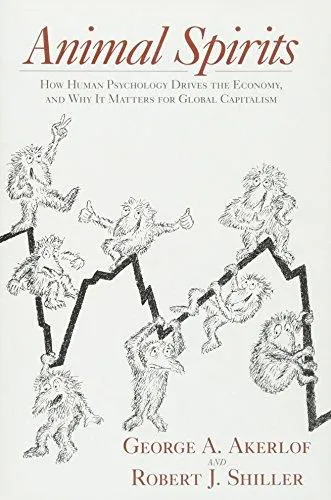
Animal Spirits: How Human Psychology Drives the Economy, and Why It Matters for Global Capitalism (2009) is a book by economists George Akerlof and Robert Shiller written to promote the understanding of the role played by emotions in influencing economic decision making. According to the authors, economists have tended to de-emphasize the importance of emotional factors, as the effects of emotions are difficult to model and quantify. The book asserts that a variety of otherwise puzzling questions can be answered once one allows for the effect that emotional drives, or "animal spirits," have on economic factors. Akerlof and Shiller began writing the book in 2003. While finishing the work after the 2008 financial crisis, the authors set themselves the additional aim of promoting a much more aggressive US government intervention to alleviate the crises than has been seen as of February 2009. They repeatedly stress the need for decisive action targeted at restoring credit flows, and that the overall stimulus from the government needs to be much larger than would otherwise be the case due to very low levels of confidence about short and medium term economic prospects.